
By Kate McFarland
Do birds have a right to privacy? At first blush, it sounds like a joke – a comment we might make when feeling a bit voyeuristic after witnessing those few fleeting seconds of avian hanky-panky on the nest cam. Birds don’t share our norms of social propriety, nor do they experience a chilling effect when their domestic life is recorded on film or their migratory journeys tracked by a satellite transmitter. “Avian privacy” seems like an obvious non-issue.
With a bit further reflection, though, it’s clear that our reasons to respect privacy go beyond norms of social propriety or the chilling effect of the panopticon. As a frequent female solo traveller, I know this very well. For instance, I have often been wary about posting content online that could expose my whereabouts (for a woman never knows when some creep could be out there cyberstalking her). If I were travelling alone in London, for example, I might think twice before uploading a photo of an iconic landmark – like, say, the Regent’s Park heronry – to Instagram. Obviously, a photo of nesting herons isn’t something that inherently ought to be kept private like sexy photos or love letters. The privacy-related concern is this: the public disclosure of information that reveals one’s precise location could result in harm.
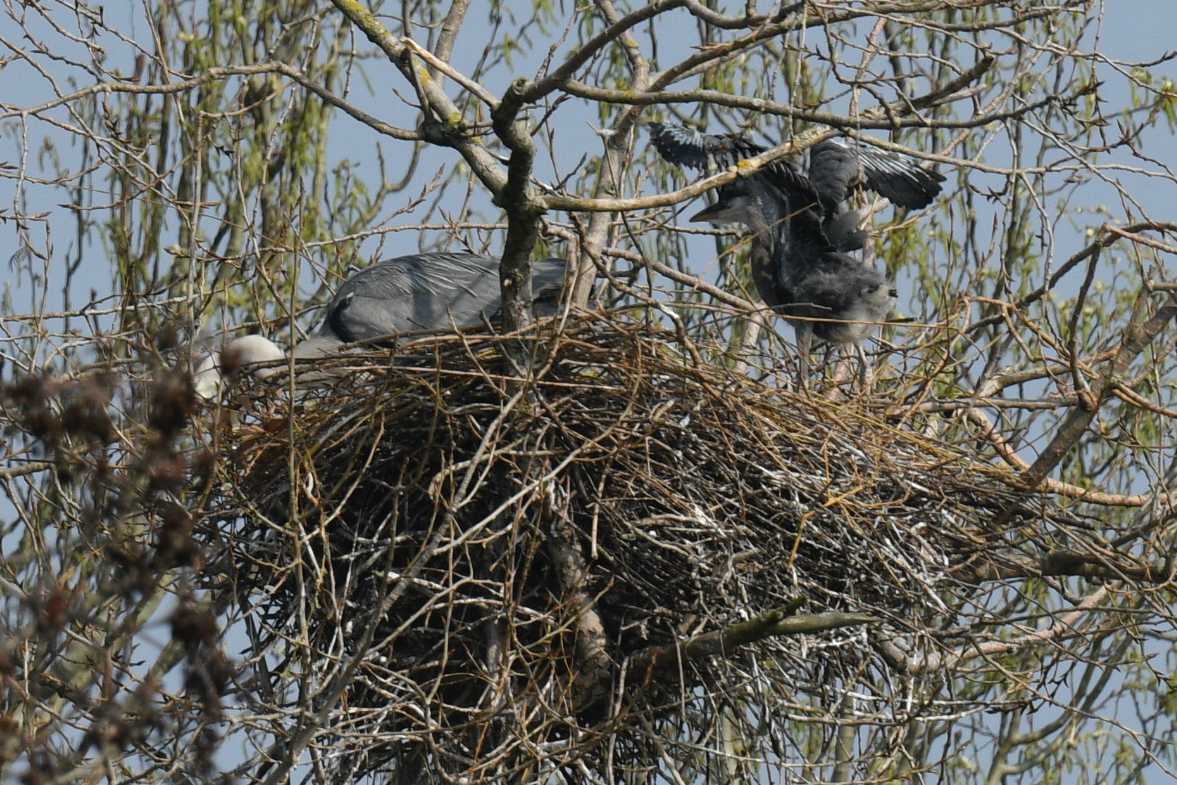
This, in essence, is the sense in which philosophers Alan Rubel, Martin Kaehrle, and Robert Streiffer argue that birds can also have privacy interests, a thesis they develop in their paper “Digital Platforms, Privacy, and the Ethics of Wildlife Information Sharing.” Like celebrities, birds can have stalkers – or, more to the point, twitchers. Sadly, irresponsible birders can and do harm birds and their habitats in the relentless pursuit of a new lifer. Rubel, Kaehrle, and Streiffer discuss the Snowy Owl as a species that is vulnerable to stalking and harassment, noting that “dozens or even hundreds of observers often mob wintering Snowy Owls whose locations are shared. Viewers may intrusively observe the owls, which, as mentioned, can incite stress, disrupt rest, flush the owls, or even kill them.” They note one case in New York in which photographers disturbed a Snowy Owl, who collided with a bus when flying to escape.
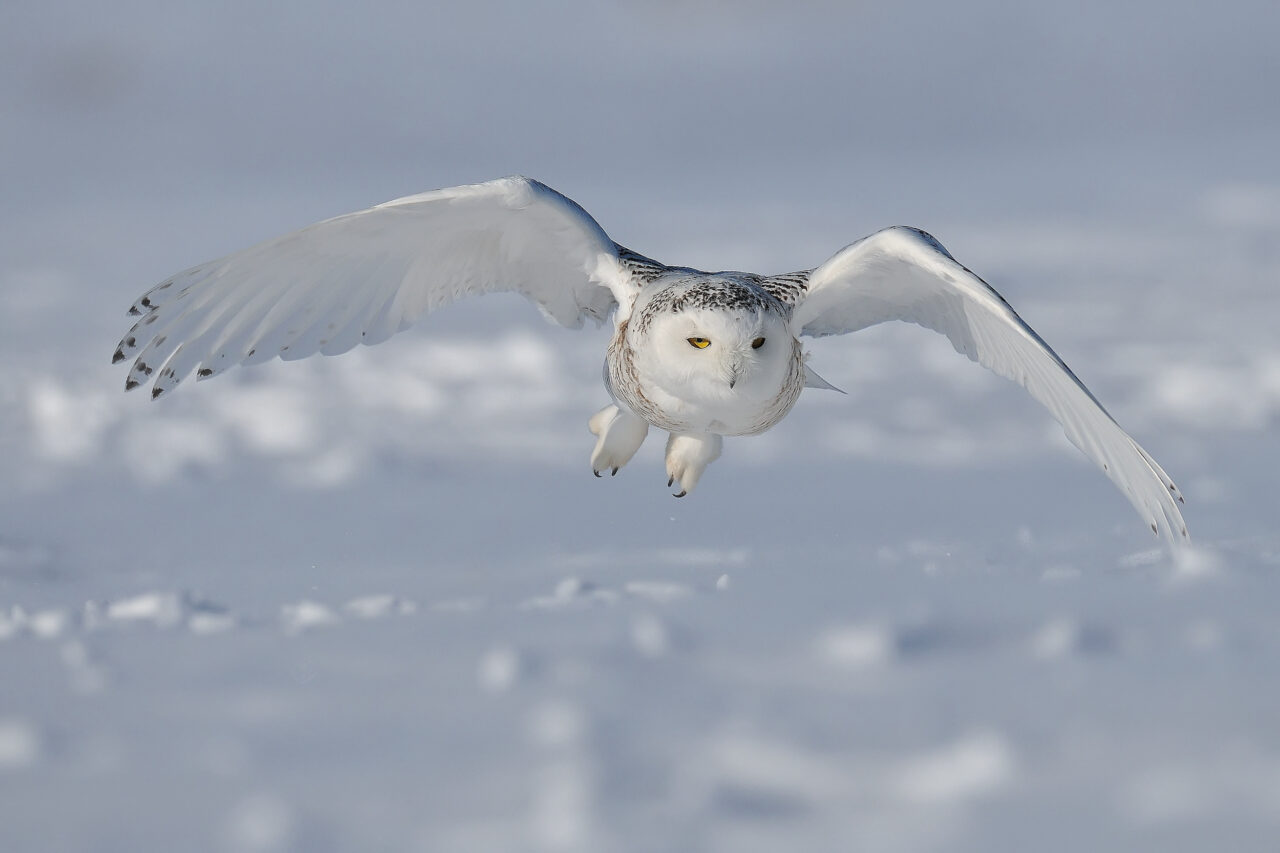
Due to such tragic incidents, Rubel and colleagues argue that digital platforms like eBird have a moral responsibility to restrict the sharing of information about locations where certain rare species have been spotted. This is not a radical proposal. Indeed, eBird already prohibits the public disclosure of live data for numerous Sensitive Species, when there is a risk of harm to birds who are targeted for hunting or the cage bird trade, or who face potential disturbance from birders or photographers. The Snowy Owl is one of many species categorized as “regionally sensitive.” Furthermore, as Rubel, Kaehrle, and Streiffer acknowledge, “Over a dozen North American social media groups and listservs ban the sharing of Snowy Owl locations or photographs to protect the owls’ safety.”
But Is It Privacy?
Within the birding community, the recommendations of Alan Rubel and coauthors are unlikely to stir much controversy. We can sit back and be happy that professional ethicists are calling attention to an issue that has aroused our concern for years.
Among professional ethicists, meanwhile, Rubel and colleagues are much less likely to skirt controversy for their position on eBird than for their claim that non-human animals like Snowy Owls have privacy interests – a concept that is typically reserved for humans.
In developing this claim, the authors emphasize that privacy is relational: A person (or bird) doesn’t have or lack privacy full stop; instead, we have or lack privacy with respect to certain individuals and certain bodies of information. For example, we have privacy about our medical history relative to our coworkers but not relative to our doctor. We have privacy about our income relative to our birding companions but not relative to our accountant.
By the same token, as Rubel and colleagues point out, “where birdwatchers are unable to locate a Snowy Owl, it is perfectly coherent to describe the owl as having privacy regarding its whereabouts with respect to birdwatchers.” (We might also say, perhaps, that a Snowy Owl’s cryptic coloration helps to give the bird privacy with respect to tasty lemmings.)
However, Rubel and colleagues admit that “not everything is a bearer of privacy, even when there is information about that thing that some observers lack access to.” For example, “Joe may not know where his shoes are, but it would be odd to maintain that his shoes have privacy regarding their whereabouts with respect to Joe.”
To account for this difference, the authors propose the following criterion: An individual can have privacy interests if that individual “has interests that can be affected by either their awareness of being observed or their sensitivity to information about them being accessed.” The former encompasses the chilling effect of surveillance. The latter encompasses the potential danger to celebrities, rare birds, or other individuals when their location data or other personal information is made public. As the authors point out, this criterion automatically excludes inanimate objects – like Joe’s shoes – since inanimate objects don’t have interests.
For another contrast case, we might think about plants. Legal scholar Christopher Stone famously argued in favor of legal standing for natural entities such as trees. But could this possibly encompass a right to privacy? In a reply to Rubel and colleagues, Simon Coghlan and Adam Cardilini comment that referring to the “privacy” of plants “risks inducing sheer incomprehension,” and I’m sure all but the most woo-woo among us will agree. In this context, it is interesting to reflect that the location of Hyperion, the world’s tallest tree, is kept secret for reasons similar to those for which eBird hides the real-time location of rare bird species: to prevent harm to Hyperion and the surrounding ecosystem. Since plants don’t have privacy interests, though, we wouldn’t describe this policy in terms of “protecting Hyperion’s privacy.”
So, then, when a conscientious birder refuses to share the location of a Snowy Owl, is she more like a celebrity’s publicist who refuses to divulge any information about their client’s whereabouts – or more like a park service employee who stays mum about the coordinates of Hyperion? Perhaps it’s relevant that — like celebrities but unlike trees — birds can and do act to conceal their own whereabouts for the purpose of avoiding harm (e.g. being eaten). Some birds show an even more sophisticated awareness of secrecy and concealment, such as jays who move previously cached food when no one is watching. Birds don’t understand concepts like “eBird,” “data sharing,” and “twitching,” but perhaps if they did, they would take evasive actions to avoid irruptions of birders too.
At the end of day, this is a case where I question whether the semantic debate matters for either birds or the people who care about them. Whether or not it’s called a “privacy violation,” the harm is too often real when twitchers flock to see a rare bird.
The Case for Spying on Birds
That said, I think we should avoid placing too much moral weight on the protection of “birds’ privacy interests,” even if the concept is coherent. Rubel and coauthors claim that a focus on privacy is a useful heuristic: “Given the ways in which animals’ loss of privacy often predictably results in the frustration of animals’ interests in avoiding pain, injury, and death, people are well-advised to treat actions that reduce privacy as prima facie harmful.”
I am less sure. There are numerous reasons for which privacy is important to humans that simply have no analogue in the avian world. From eBird to nest cams, from radar to satellite and radio transmitters, today’s birds migrate, breed, and raise young in the midst of a veritable surveillance state. Yet this doesn’t raise the same moral concerns as its human analogue. On the contrary, there are numerous cases in which birds’ “loss of privacy” is not only harmless but also conducive to conservation and building popular appreciation of birds.
Incentivizing eBird-ing
Citizen science data have become invaluable for scientific research – often with important conservation implications. This wouldn’t be possible if birders weren’t motivated to contribute to platforms like eBird, and the information-sharing nature of the platform is part of what incentivizes participation. In a 2011 article in PLOS Biology, eBird’s developers noted that the birding community’s initial reaction to the platform was “lukewarm,” and that significant uptake occurred only after the developers focused on “building tools that appeal to, and provide a service for, birders,” including the ability to “compare their observations with others.”
Rubel, Kaehrle, and Streiffer mention that “Citizen science platforms and social media groups foster a sense of community and shared interests in wildlife recreation, education, and conservation,” but they don’t go as far as they could to underscore the importance of eBird for science and conservation. I wrote about the value of citizen science data in Song Sparrow in 2020, highlighting the use of eBird data in research on the effects of climate change on various bird species. Since that time, additional important studies have emerged to substantiate the point, including a comprehensive study of geospatial aspects of bird population declines in North America, which was published last year in Science. Another eBird-based study, also published in 2025, examined how citizen science data can fill information gaps and thereby inform regional conservation efforts.
If the public nature of eBird is an important part of what inspires birders to keep contributing observations to the platform – and it seems to be – then data sharing has a significant positive impact on the protection of birds. Thus, instead of erring on the side of protecting birds’ “privacy,” a better guideline might be what the ABA’s Code of Birding Ethics already states. The code instructs us, “Avoid stressing birds or exposing them to danger” and “Always minimize habitat disturbance,” but also “Share bird observations freely, provided such reporting would not violate other sections of this Code, as birders, ornithologists, and conservationists derive considerable benefit from publicly available bird sightings.”
Every Bird Has a Story
Citizen science platforms like eBird provide invaluable sources of data, yet conservationists are often reminded that data isn’t sufficient to motivate individuals to protect birds and nature. When it comes to human motivational psychology, stories are much more effective.
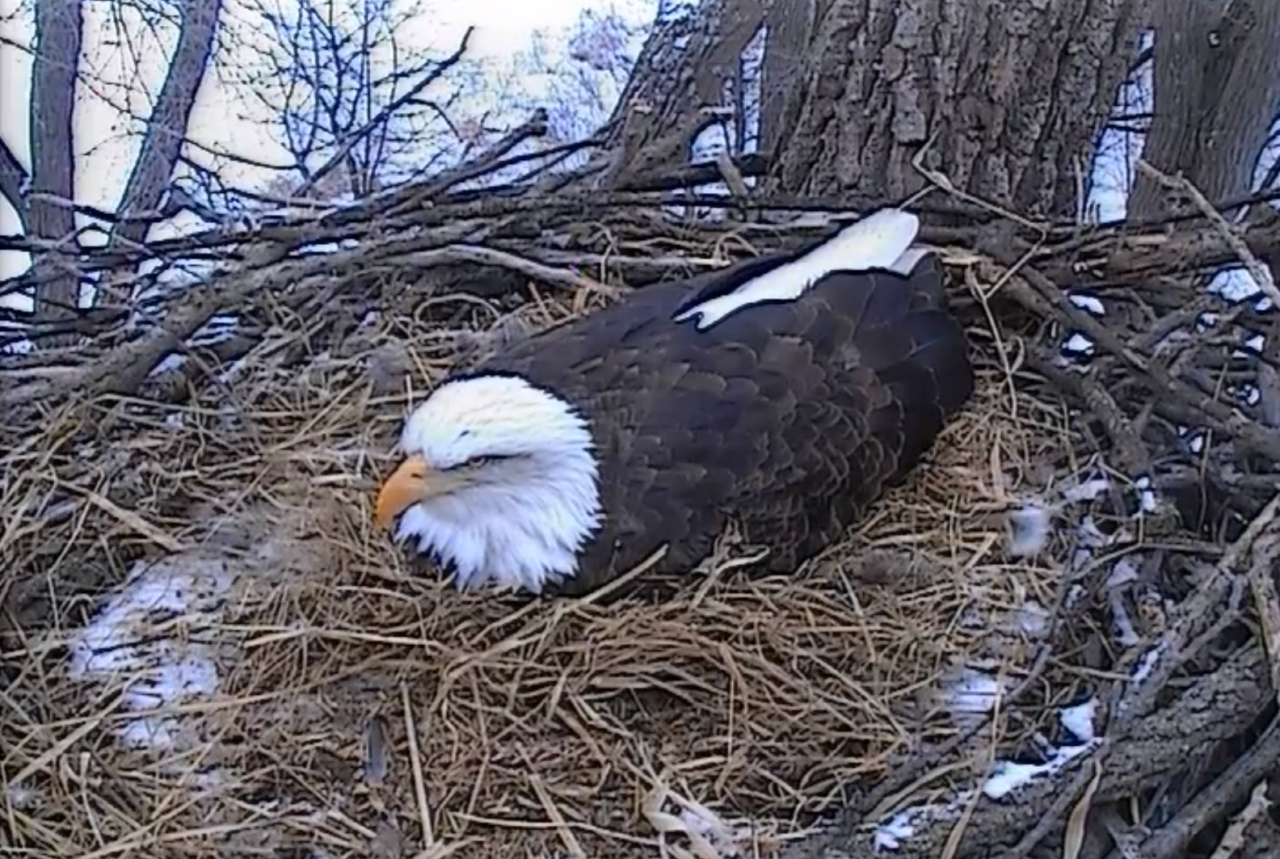
Here we can see another benefit of using technology to pry into the lives of birds and share their activities in real-time: “Surveillance” technologies like nest cameras and wearable transmitters enable public audiences to become engaged in birds’ life stories. In doing so, they increase public interest and empathy for our feathered friends.
Humans love reality TV. Whatever its cause, this quirk of human nature seems to be a boon to bird conservation, since the ability to spy on birds in real-time can scratch a similar itch. We become caught up in the lives and stories of individual birds as they embark on epic migratory journeys or face the harsh difficulties of raising a family.
The stories revealed by nest cams have captivated audiences so much that their protagonists have become immortalized in children’s books, such as the Bald Eagles of Decorah and the Great Blue Herons of the Sapsucker Pond. Tragically, one of the Decorah eaglets died by electrocution at a powerline. Tens of millions of birds are killed by powerlines each year in the US – but that number is just a cold statistic. When a beloved eaglet is killed, the public can associate the lethal threat with a beaked face.
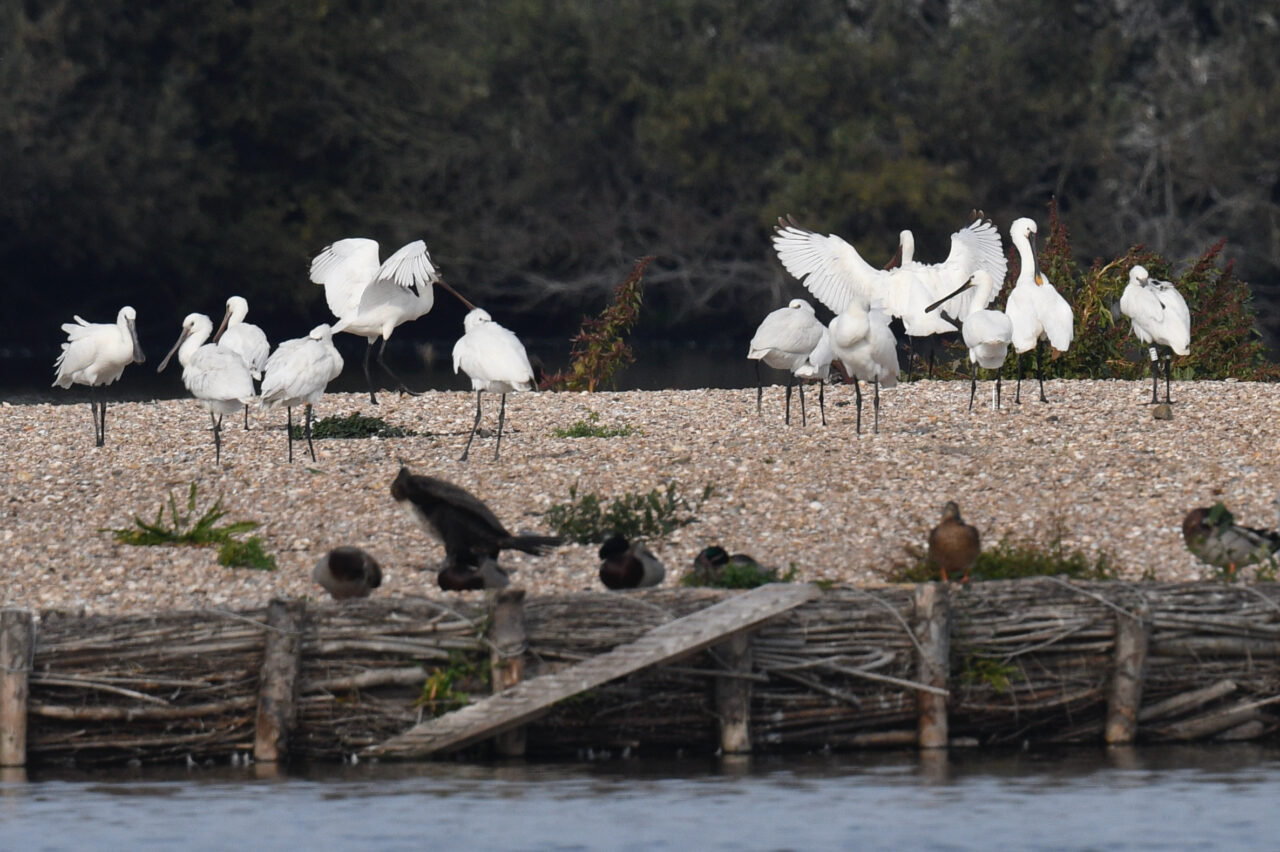
While nest cams reveal intimate details into birds’ personalities and family lives, wearable transmitters allow birds to take us along for the ride on their epic migratory journeys. Earlier this year, a friend and I exchanged birds: I got a Magellanic Penguin, Columbia, whom I can track on my Fahlo app; she got a Eurasian Spoonbill, Storm, who can be tracked via the Global Flyway Network. At the time of this writing, Columbia has recently reached the eastern coast of Argentina – probably to begin her breeding season – and Storm is making her way through southern Spain, having left the Netherlands at the end of her own breeding season in August. When we have the ability to follow individual animals, it becomes impossible to think of them as merely “a penguin” or “a spoonbill.” They become relatable individuals, and as a consequence, the challenges they face in a changing world grip us more personally.
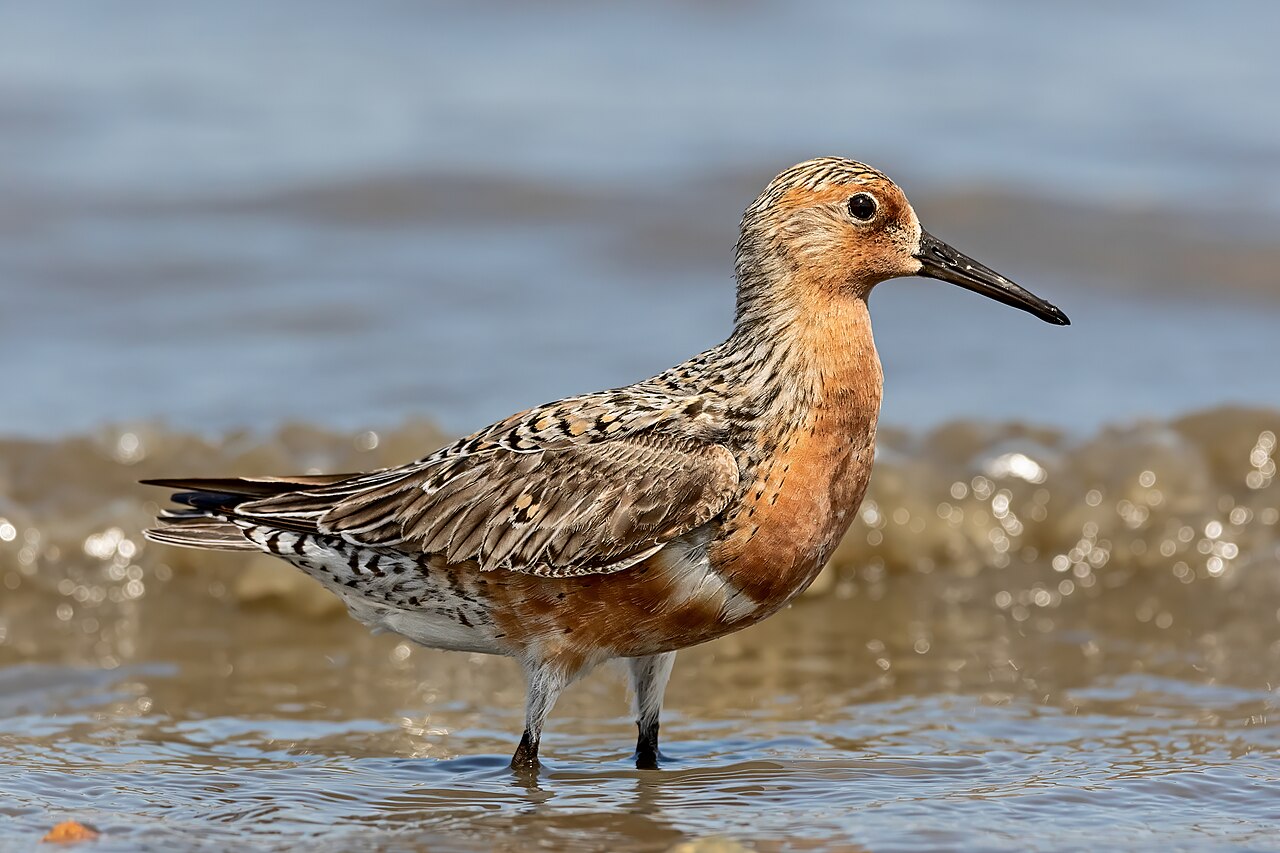
Like the Decorah eagles and Sapsucker Pond herons, some transmitter-wearing birds have had their lives immortalized as the protagonists of books and even musical works. The award-winning Moonbird, for example, relates the story of the Red Knot B95, who continued to endure his long and challenging migratory journeys even as many of his conspecifics perished (the name “Moonbird” derives from the astounding fact that, in his life, B95 flew the distance to the moon and halfway back).
At the 2025 conference of the International Wader Study Group, attendees were treated to a performance of a musical piece inspired by short life of a Eurasian Spoonbill named Solanum (one of Storm’s compatriots) who carried a transmitter and microphone to record her first – and, sadly, last – migratory journey. As a “bugged” bird, Solanum recorded the sounds that she heard along her aborted migratory journey, which are part of the musical performance.
From the triumphant to the tragic, these individual stories resonate with us in a way that mere data points do not – and they too are facilitated by data sharing that might seem “intrusive” if we are concerned about birds’ privacy.
Data sharing, it seems, might be a double-edge sword. When it does pose a mortal danger to rare birds, this is mainly due to hunters, trappers, twitchers, and listers who view birds as prizes – not persons. At the same time, however, technologies such as transmitters and nest cams may be among our most useful tools to inspire people to overcome this objectification of birds and see them instead as unique individuals, whose lives deserve our respect.
Thanks to my colleague Aaron Yarmel for calling my attention to the work of Alan Rubel.
* * *
Kate McFarland is the Center Associate for the Ohio State University Center for Ethics and Human Values. She holds a PhD in Philosophy from Ohio State and met her spark bird, Frank the Great Blue Heron, in Columbus.